bdalameda
Well-known member
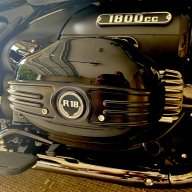
I appreiate the work that went into it but it looks like a hairdryer.

Follow along with the video below to see how to install our site as a web app on your home screen.
Note: This feature may not be available in some browsers.




When your builder didn’t know bmw made motorcycles until you walked in.

You posted this on page 70 (June13th).

Love the Daffy Duck
??? ‘Alleged exhaust company’?That style of exhaust isn’t made because of an inability to make mandrel bends, it’s a deliberate style that takes a lot of time and skill to make. It might not be to everyone’s taste but it certainly isn’t made because of a lack of skill.Agree!
Also I can’t unsee an alleged exhaust company who can’t make mandrel bends.
Why Fabricators Use This Method??? ‘Alleged exhaust company’?That style of exhaust isn’t made because of an inability to make mandrel bends, it’s a deliberate style that takes a lot of time and skill to make. It might not be to everyone’s taste but it certainly isn’t made because of a lack of skill.
Good gosh man.Why Fabricators Use This Method
- Extremely Tight Angles: Standard mandrel tube benders cannot bend metal past a certain radius without the pipe kinking or thinning. Pie cuts allow for impossibly sharp, complex turns around tight engine bays and frames. [1, 2, 3]
- Consistent Internal Diameter: Bending a pipe stretches the metal and reduces the internal diameter. Welding straight-cut segments keeps the internal diameter completely uniform, preserving smooth exhaust gas flow. [1]
- High-End Aesthetics: In the custom motorcycle scene (especially on choppers, cafe racers, and superbikes), the colorful heat-tinted welds of a stainless steel or titanium pie-cut pipe are highly sought after as a display of premium craftsmanship.
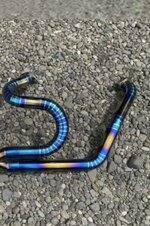
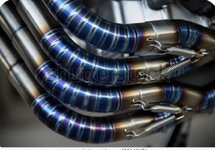
1. No tight complicated angles in this one but in systems that require them you can’t do it with mandrel bends.Good gosh man.
Mandrel bends are the most efficient for clean smooth and fast exhaust flow. The bends shown will slow the exhaust, cause turbulence and generally make the exhaust system run worse.
I
- Extremely Tight Angles: does not exist here. They are making the system worse for no physical reason
- Consistent Internal Diameter: sorry to burst your bubble but mandrel bends are designed specifically to keep a constant internal diameter.
- High-End Aesthetics: Color and welding technique a big yes. Inefficient square corners etc not chance.
SorryYou posted this on page 70 (June13th).
Two Hail Mary’s, three engine revs, and one OEM purchase and all shall be forgiven .Sorry
Do note my reply when you first posted it.., worthy of a repeat.Sorry
I just can’t imagine anyone who knows what they are doing would build that. But what do I know. Apparently not enough.1. No tight complicated angles in this one but in systems that require them you can’t do it with mandrel bends.
2. Sorry but you can’t bend a pipe without stretching one side and compressing the other , not physically possible.
3. As for the ‘inefficient corners’ - on this particular one the bottom bend is too sharp for best flow, true, but that’s this particular one, not for this style pipe generally. The top bend is fine. There have been actual flow tests that show the efficiency of this type, such as in Moto GP r&d.
If someone doesn’t like something or it’s just not to their taste, that’s fine, but I thought the disparaging tone of your belittling comments about the skill of the fabricator was unnecessary and your lack of knowledge about the technology of that exhaust was obvious.


Why bypass the o2 sensors? The wide band adjustments seem quite worthy? Interested in your thoughts. Thx.I would buy a mandrel bent header pipe free of cat, flappers, o2 sensors, that is a direct bolt on. Apparently not available. Is there a version of the R18 that is free from those emissions devices? Not the USA version.
AgreedYes, this is a better execution of that type exhaust, not a mandrel bent as the original comment referenced


Someone needs to explain the
