D
Deleted member 1344
Guest
I think BMW should put the TC suspension on all their bikes. There are no bumpy railroad tracks with their computer controlled suspension.

Follow along with the video below to see how to install our site as a web app on your home screen.
Note: This feature may not be available in some browsers.
Thank you for the post and the chart Svtweb! I weigh 180 and my first ride on my R18 was 65 miles of spinal abuse!! I found my R18's rear suspension was as you indicated. Using your chart I set mine to 4 turns out and am going to leave it there for a few rides. At that setting the ride is still firm, but still handles quite well and handles bumps and jars MUCH better. I think "big picture" is my K1600B has spoiled me on suspension comfort that I likely won't find on my new favorite cruiser. But if the aftermarket ever presents a more comfortable rear shock/suspension I'm game. Having Harleys for decades taught me that every bike - especially those perfect HDs (although I still love them) - needs a ton of tweaking to get it just right...


Have my ( sold here as) new 2023 First Edition, 42km on the clock. Out of curiosity I decided to check my preload settings, lo and behold preload not adjusted at all. Took up slack and adjusted 10 turns, bikes tail must have lifted 15mm or so. Maybe 10 turns too much but I will see when I get the chance for a proper ride, might adjust down to 9 turns. Oddly enough my bike prepped by one of the more prestigious BMW dealers in South Africa, and they missed this important adjustment.Many of the early reviews and many of the first customers have complained about the R18 having a very harsh ride and easily scraping the pegs. This is not indicative of a design flaw on the R18, but a procedural miss by BMW to properly document the unpacking and setup procedures for the customer. During shipping, the rear shock preload is placed in "Shipping" position. That means the adjustment of the rear shock is turned anti-clockwise until it hits the stop. In this position you are basically sitting on the rubber bump-stop on the shock with little to no spring action. During shippin keeps the bike from bouncing around. The manual mentions setting the preload, but it appears that none of the dealers have been doing that. I have created a chart that gives a breakdown of preload from minimum adjustment (0 Turns) to Max Adjustment (26 Turns).
The process is very easy: With a 13mm 6-Point socket, turn the adjuster anti-clockwise until it stops. Slowly rotate the adjuster clockwise until you feel it engage the spring perch (you will feel slight resistance). This is position "0" Continue turning clockwise until you reach the desired preload based on the chart I created.
I hope this helps everyone out.

They were not the only ones. In the UK when the FE pure was launched, lots of people, including me, complained about harsh suspension, which to be honest made me try the Bagger and the ride was so much better, I ended up buying it. BMW set the suspension to the “shipping mode” to prevent the bikes bouncing up and down whilst in transit and either the memo was not communicated or pretty much every dealership overlooked this tiny detail. I wonder how much was lost in sales when potential buyers found the bike very stiff and walked away.Have my ( sold here as) new 2023 First Edition, 42km on the clock. Out of curiosity I decided to check my preload settings, lo and behold preload not adjusted at all. Took up slack and adjusted 10 turns, bikes tail must have lifted 15mm or so. Maybe 10 turns too much but I will see when I get the chance for a proper ride, might adjust down to 9 turns. Oddly enough my bike prepped by one of the more prestigious BMW dealers in South Africa, and they missed this important adjustment.


I turned my adjuster all the way anti clockwise till it stopped. Going clockwise there must have been around 1 1/2 to 2 turns before I could feel resistance. Took it 10 turns from there, pretty much sure that was the correct way.I turned mine all the way, counterclockwise until it stopped. According to the video, that is zero point. But according to a different previous post, I need to turn clockwise until I feel resistance, and that is point zero. I weigh 185 pounds american. Today I'm going to start over at totally turned out counter clockwise until it stops and measure the height. Then turn clockwise until I feel resistance and measure again. Maybe continue turning until ride height changes. Do a couple test rides too.
View attachment 19219

I did the same with mine. And the improvement was very significant. I bought mine used and was told by the dealer they don’t adjust.I turned my adjuster all the way anti clockwise till it stopped. Going clockwise there must have been around 1 1/2 to 2 turns before I could feel resistance. Took it 10 turns from there, pretty much sure that was the correct way.
I turned my adjuster all the way anti clockwise till it stopped. Going clockwise there must have been around 1 1/2 to 2 turns before I could feel resistance.


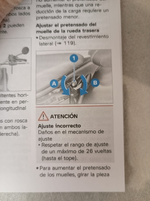


Many of the early reviews and many of the first customers have complained about the R18 having a very harsh ride and easily scraping the pegs. This is not indicative of a design flaw on the R18, but a procedural miss by BMW to properly document the unpacking and setup procedures for the customer. During shipping, the rear shock preload is placed in "Shipping" position. That means the adjustment of the rear shock is turned anti-clockwise until it hits the stop. In this position you are basically sitting on the rubber bump-stop on the shock with little to no spring action. During shipping it keeps the bike from bouncing around. The manual mentions setting the preload, but it appears that none of the dealers have been doing that. I have created a chart that gives a breakdown of preload from minimum adjustment (0 Turns) to Max Adjustment (26 Turns).
The process is very easy: With a 13mm 6-Point socket, turn the adjuster anti-clockwise until it stops. Slowly rotate the adjuster clockwise until you feel it engage the spring perch (you will feel slight resistance). This is position "0" Continue turning clockwise until you reach the desired preload based on the chart I created.
I hope this helps everyone out.